
Water Mitigation Company
Fast Water Mitigation for Homes and Businesses
Mold Solutions Home Services is a professional water mitigation company serving Cobb County, Paulding County, and surrounding communities throughout the Atlanta Metro area.
We respond to leaks, flooding, appliance failures, sewage backups, and other water emergencies with professional water extraction, structural drying, cleanup, and restoration services.
- Water extraction and moisture removal
- Structural drying, cleanup and restoration
- Emergency inspection may be available in 45 minutes or less
Stop the Damage From Spreading
What Is Water Mitigation?
Water mitigation is the process of limiting additional damage after water enters a property.
The goal is to stop the problem from spreading, remove excess water, dry affected materials, and stabilize the structure before more extensive repairs are completed.
Water mitigation is often the first step toward getting your property back to normal.
Three Parts of the Recovery Process
Water Extraction vs. Water Mitigation vs. Water Damage Restoration
These terms are often used together, but each describes a different part of responding to and repairing water damage.
Water Extraction
Water extraction focuses specifically on removing standing or absorbed water.
Water Mitigation
Water mitigation includes extraction, but goes further by evaluating where moisture has traveled and what must be done to stabilize the affected areas.
- Locate hidden moisture
- Dry affected materials
- Control humidity
- Remove unsalvageable materials
- Limit additional damage
Water Damage Restoration
Water damage restoration addresses repairs after mitigation and structural drying are complete.
Inspection, Mitigation, Cleanup and Repair
Mold Solutions Home Services can take care of the project from the initial inspection through water extraction, structural drying, cleanup, and related repairs, giving you one point of contact throughout the recovery process.
Know When to Act Quickly
When Do You Need a Water Mitigation Company?
Any significant water intrusion should be addressed quickly.
Even a relatively small leak can spread into walls, flooring, insulation, crawl spaces, and other areas that are difficult to inspect without professional moisture detection equipment.
Professional water mitigation looks for both obvious damage and moisture that may be trapped inside building materials.
Water problems can begin with plumbing, appliances, weather, drainage, or contaminated water events.
Broken or Leaking Pipes
Burst pipes, deteriorated plumbing, frozen pipes, and leaking supply lines can release large amounts of water into walls, ceilings, floors, and crawl spaces.
Appliance Failures
Water heaters, washing machines, refrigerators, dishwashers, and other appliances can leak or fail without warning.
Toilet, Sink, and Tub Overflows
An overflowing plumbing fixture can quickly saturate flooring, baseboards, drywall, and rooms below the affected area.
Storm and Roof Water Intrusion
Heavy rain, roof leaks, damaged flashing, and wind-driven rain can allow water into attics, ceilings, walls, and living areas.
Basement and Crawl Space Water
Foundation seepage, drainage problems, plumbing failures, and stormwater can leave lower areas of a home wet and difficult to dry.
Sewage Backups
Sewage and other contaminated water require additional precautions because the water may contain bacteria and other contaminants.
Have the affected area inspected before the damage spreads.
Mold Solutions Home Services can locate affected materials, remove excess water, establish a drying plan, and determine what additional cleanup or restoration may be necessary.
Water Keeps Moving
Why Fast Water Mitigation Matters
Water does not stay in one place.
It can travel beneath flooring, soak into sheetrock, move through insulation, penetrate cabinets, and migrate into adjoining rooms.
The longer building materials stay wet, the greater the potential for additional damage.
From the Initial Call Through Restoration
Our Water Mitigation Process
Every water loss is different. Our technicians evaluate the source of the water, affected materials, moisture conditions, and the overall condition of the property before developing a recommended scope of work.
Call for Immediate Help
Call 404-889-7814 when you discover water damage.
Inspection and Assessment
Our technicians inspect the affected property and determine what has been impacted, how far the moisture has traveled, and what will be required to dry and restore the area.
Estimate and Scope of Work
After evaluating the damage, we provide an estimate and explain the recommended work.
Upon approval, Mold Solutions Home Services can manage the project from beginning to end and provide a clear scope of work.
Water Extraction
Standing water is removed as quickly as practical. Professional extraction helps reduce the amount of moisture remaining in flooring, carpet, and other building materials.
Remove Materials That Cannot Be Saved
Not every wet material automatically has to be removed. Our technicians evaluate affected materials to determine whether they can be adequately cleaned and dried.
Targeted removal may be necessary when materials are too damaged, contaminated, or saturated to restore properly.
Structural Drying and Dehumidification
After excess water is removed, professional drying equipment is positioned throughout the affected area.
Moisture Monitoring
Drying should be based on actual moisture conditions rather than guesswork. Our technicians monitor affected areas throughout the project and adjust the drying process as necessary.
Cleanup and Restoration
Once the affected areas are dry, we can address remaining cleanup and repair needs.
Mold Solutions Home Services can handle water extraction, structural drying, moisture monitoring, cleanup, and related restoration from one coordinated project.
Professional Drying Equipment
Professional Equipment Used During Water Mitigation
Professional water mitigation requires more than a few household fans. Mold Solutions Home Services uses specialized equipment designed to remove moisture, control humidity, and support a more complete structural drying process.
Air Movers
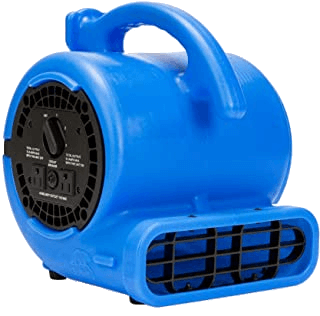
Air movers produce high volumes of airflow across wet materials. This movement helps moisture evaporate from flooring, walls, framing, and other affected surfaces.

Dehumidifiers
Warm, moisture-filled air passes through the equipment and across refrigerated coils. Moisture condenses and is removed from the air, helping lower humidity throughout the affected space.
Air Scrubbers
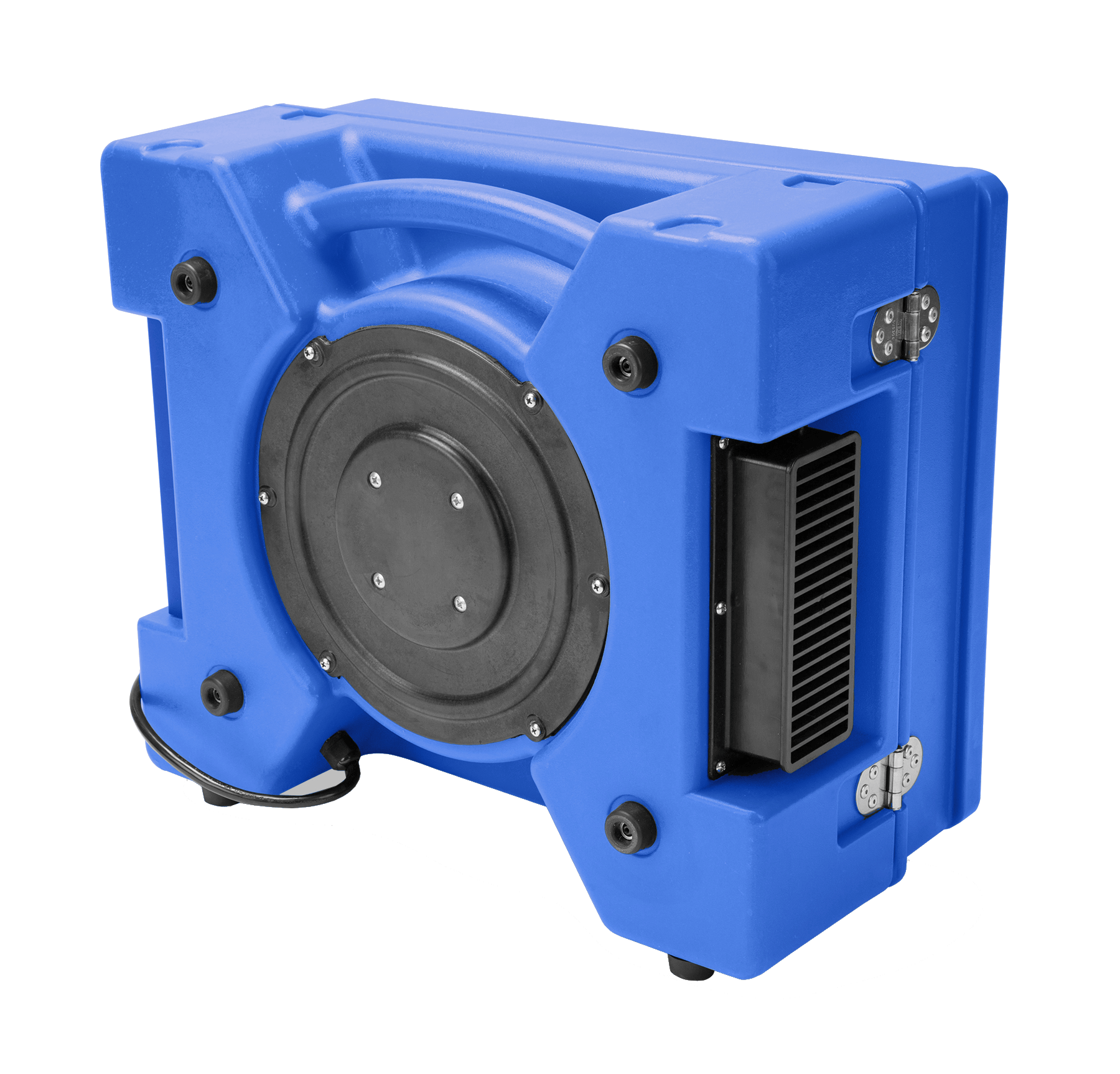
Air scrubbers are portable filtration systems that remove particles from the air and can help improve indoor air quality during appropriate restoration and remediation projects.
Dry It or Remove It?
Can Water-Damaged Materials Be Saved?
Sometimes.
The goal should not be unnecessary demolition. Materials that can be properly cleaned and dried may be preserved, while materials that cannot be restored should be removed.
Clean and Dry
Materials that remain structurally sound and can be adequately cleaned and dried may be preserved.
Targeted Removal
Materials that are severely damaged, contaminated, deteriorated, or unable to be properly dried may need to be removed.
Water Behaves Differently Throughout a Building
Where Water Mitigation May Be Needed
The drying strategy depends on what materials are affected, where the moisture traveled, and how the water entered the property.
Water Mitigation for Flooring
Water can affect flooring differently depending on the material and how long it remains wet. Moisture may also travel beneath the visible surface.
- Hardwood flooring
- Engineered flooring
- Laminate
- Tile
- Carpet
- Carpet padding
- Concrete slabs
- Subfloors
Water Mitigation for Walls and Ceilings
Plumbing leaks, roof leaks, appliance failures, and water from upper floors can saturate walls and ceilings.
- Sheetrock
- Plaster
- Insulation
- Framing
- Baseboards
- Ceiling materials
Basement Water Mitigation
Basements can be challenging because moisture may become trapped in flooring, wall systems, concrete, and other below-grade materials.
- Heavy rainfall
- Foundation seepage
- Plumbing failures
- Water heaters
- Appliances
- Drainage problems
- Sewer backups
Crawl Space Water Mitigation
Water beneath a home can affect insulation, framing, subflooring, and indoor humidity.
- Plumbing leaks
- Groundwater intrusion
- Foundation drainage problems
- Stormwater
- HVAC condensation
Contaminated Water Requires Additional Precautions
Sewage and Contaminated Water Cleanup
Sewage backups require different cleanup procedures from ordinary clean-water losses.
Contaminated water may contain bacteria and other microorganisms and should be handled carefully.
Water Damage and Mold Share a Common Factor
Water Mitigation and Mold Prevention
Water damage and mold often share the same underlying problem: moisture. If wet building materials remain damp, conditions can become favorable for mold growth.
That is why finding and drying hidden moisture matters just as much as removing visible standing water.
One Team Can Address Both Problems
Mold Solutions Home Services has experience in both water mitigation and mold remediation. If mold is discovered during a water damage project, our team can evaluate the affected area and recommend appropriate next steps.
Homes Throughout Metro Atlanta
Residential Water Mitigation
Mold Solutions Home Services provides water mitigation services for residential properties throughout Cobb County, Paulding County, and surrounding communities.
Whether water affects a single room or spreads throughout several areas of the house, we develop the scope around the actual damage.
Business and Commercial Properties
Commercial Water Mitigation
Water damage can interrupt business operations and affect offices, equipment, inventory, flooring, walls, and other commercial property.
Mold Solutions Home Services provides water mitigation and related remediation services for commercial properties as well as homes.
When a Claim Is Involved
Water Mitigation and Insurance Claims
Water damage can become even more stressful when an insurance claim is involved.
Mold Solutions Home Services works with property owners, insurance carriers, and adjusters to improve communication between everyone involved and help keep the restoration process moving.
Insurance coverage depends on your individual policy and the cause of the water damage. Your insurance carrier determines whether a claim is covered.
Every Water Loss Is Different
How Much Does Water Mitigation Cost?
There is no single price that applies to every water mitigation project. Cost depends on the size, severity, source, materials involved, and amount of work required to properly dry and restore the property.
First Steps After a Water Loss
What Should You Do After Discovering Water Damage?
Your first priority is safety. Once immediate hazards are addressed, limiting additional water damage and documenting the loss can help make the next steps easier.
Stop the Water Source
Shut off the appropriate valve or main water supply when you can safely do so.
Watch for Electrical Hazards
Do not enter standing water if outlets, wiring, appliances, or electrical equipment may be involved.
Avoid Contaminated Water
Leave significant sewage or contaminated-water cleanup to trained professionals.
Move Valuables When Safe
Remove belongings from wet areas when practical and when doing so does not create a safety risk.
Document Visible Damage
Photographs may be useful when documenting the loss for an insurance claim.
Do Not Assume the Property Is Dry
Moisture may remain inside walls, flooring, insulation, and other materials after standing water is gone.
Call a Water Mitigation Company
Mold Solutions Home Services can be reached at 404-889-7814.
Two Different Jobs
Do You Need a Plumber or a Water Mitigation Company?
In many water emergencies, you may need both.
A plumber repairs the plumbing problem that caused the water loss. A water mitigation company handles the resulting property damage.
Plumber
Repairs the failed plumbing component responsible for the water loss.
Water Mitigation Company
- Extracts water
- Evaluates affected materials
- Opens areas when necessary for drying
- Installs drying equipment
- Monitors moisture
- Cleans affected areas
- Coordinates related repairs
More Than Water Extraction
Why Choose Mold Solutions Home Services as Your Water Mitigation Company?
When water damages your property, you need a team that can evaluate the entire problem, dry the affected structure, identify potential mold concerns, communicate clearly, and help coordinate the work that comes next.
Local Water Mitigation Support
Water Mitigation Company Serving Cobb, Paulding and Surrounding Counties
Mold Solutions Home Services is based in Dallas, Georgia and provides professional water mitigation for homeowners and businesses throughout the Atlanta Metro area.
Paulding County
Cobb County
Douglas County
Bartow County
If you are unsure whether your property is within our service area, call 404-889-7814.
Water Damage Questions
Frequently Asked Questions About Water Mitigation
Water damage situations vary, but these are some of the most common questions property owners have about mitigation, drying, repairs, and insurance.
What does a water mitigation company do?
A water mitigation company responds to water damage and takes steps to prevent the problem from spreading. Services may include water extraction, moisture detection, targeted material removal, structural drying, dehumidification, cleaning, moisture monitoring, and preparation for repairs.
What is the difference between water mitigation and water damage restoration?
Water mitigation focuses on stabilizing the property, removing excess moisture, and limiting additional damage. Water damage restoration addresses the repairs and rebuilding required after the property has been properly dried.
How quickly should water mitigation begin?
Water mitigation should generally begin as soon as practical after the water source has been controlled and the affected area can be entered safely. The longer materials remain wet, the greater the potential for moisture to spread and additional damage to develop.
How do you know where the water has spread?
Professional technicians inspect affected areas and use moisture measurements to evaluate building materials that may still be wet even when no standing water is visible.
Does all wet drywall have to be removed?
Not necessarily. Whether sheetrock can remain depends on the water source, level of contamination, amount of saturation, physical condition of the material, and whether it can be properly dried.
Can hardwood flooring be saved after water damage?
Sometimes. The type of flooring, amount of water, duration of exposure, condition of the subfloor, and response to professional drying all influence whether the material can be preserved.
What equipment is used for water mitigation?
A water mitigation project may use professional extraction equipment, air movers, dehumidifiers, moisture measurement equipment, and air scrubbers or other filtration equipment when appropriate.
How long does structural drying take?
There is no universal drying time. The amount of water, affected materials, environmental conditions, equipment used, and extent of saturation all influence the timeline. Moisture readings provide a better measure of progress than simply counting days.
Can water damage cause mold?
Persistent moisture can create conditions that support mold growth. This is why locating and drying hidden moisture is an important part of professional water mitigation.
Can I dry water damage with household fans?
A very small surface spill may be manageable without professional equipment. Significant water intrusion, however, can penetrate flooring, walls, insulation, framing, and concealed areas. Household fans also do not provide the same moisture removal and humidity control as a professional drying system.
Does homeowners insurance cover water mitigation?
Coverage depends on your insurance policy and the cause of the water loss. Mold Solutions Home Services can provide estimates and project documentation and communicate with your insurance carrier or adjuster, but the insurance company determines coverage.
What if sewage is involved?
Sewage and other contaminated water require additional precautions and cleanup procedures. Avoid direct contact with significant sewage contamination and contact a professional cleanup company.
Can you repair the property after the water is removed?
Mold Solutions Home Services can evaluate repair needs after mitigation and provide a scope of work for the project. Free sheetrock estimates and water and sewage cleanup and repair estimates are also available.
How much does a water mitigation estimate cost?
Mold Solutions Home Services provides free water damage estimates, free water extraction estimates, and free water and sewage cleanup and repair estimates.
Get Help With Water Damage
Call a Water Mitigation Company Today
Water damage does not stop spreading simply because the leak has stopped.
If you have standing water, wet flooring, damaged sheetrock, a flooded basement, a plumbing failure, sewage backup, or another water emergency, Mold Solutions Home Services can inspect the damage and explain the next steps.
-
01
Call for Help Contact us at 404-889-7814.
-
02
Inspect the Damage We identify affected areas and moisture conditions.
-
03
Determine the Scope We explain what needs to be addressed.
-
04
Provide an Estimate Free water damage and extraction estimates are available.
-
05
Extract the Water Standing and excess water are removed.
-
06
Dry and Monitor Professional equipment helps dry affected materials.
-
07
Clean and Restore Remaining cleanup and repair needs are addressed.
-
08
Complete the Project We can coordinate the work through the final walkthrough.