

Crawl Space Mold Remediation
Crawl Space Mold Remediation in Cobb, Paulding and Surrounding Counties
Mold Solutions Home Services LLC provides professional crawl space mold remediation for homeowners throughout Cobb County, Paulding County, Douglas County, Bartow County, and surrounding Metro Atlanta communities.
We inspect the crawl space, identify the extent of the mold problem, evaluate contributing moisture conditions, clean affected surfaces, remove damaged materials when necessary, and help restore the area to a cleaner, drier condition.
- Crawl space inspection and mold remediation
- Moisture-source evaluation
- Serving Cobb, Paulding and surrounding counties
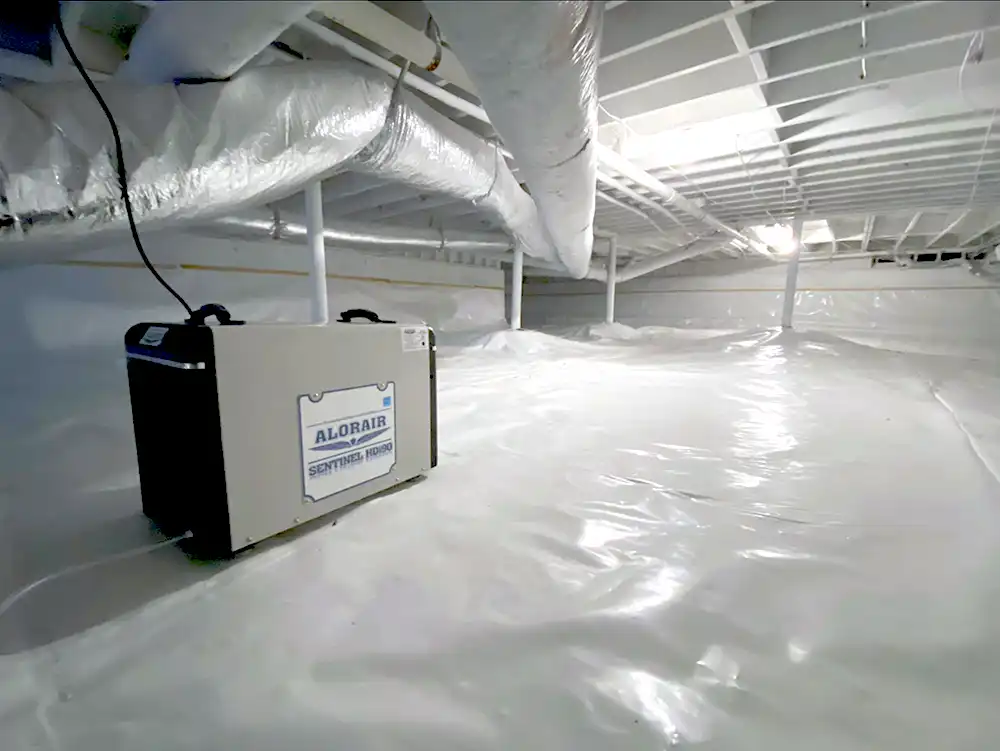
Moisture Beneath the Home
Why Mold Is So Common in Crawl Spaces
Crawl spaces are particularly vulnerable to mold because they often combine exposed building materials with persistent moisture and humidity.
Most crawl spaces contain large amounts of exposed wood, including floor joists, beams, and subflooring. They may also contain fiberglass insulation, HVAC ductwork, plumbing lines, and other materials that can collect or retain moisture.
Georgia's warm, humid climate can expose an unconditioned crawl space to elevated moisture levels for extended periods.
Where the Moisture Comes From
Common Causes of Crawl Space Moisture
Mold is often a symptom of a larger moisture problem. Understanding where that moisture is coming from is an important part of determining how to address the crawl space.
When Outside Air Adds Moisture
Why Crawl Space Vents Can Contribute to Mold Problems
Older homes were commonly built with foundation vents intended to allow outside air to circulate through the crawl space.
That sounds logical, but it does not always work well in Georgia.
During warm and humid weather, outdoor air entering the crawl space can contain a significant amount of moisture. When that air reaches cooler surfaces beneath the home, relative humidity can rise and condensation may develop.
Cold Ductwork Can Add Another Problem
HVAC Condensation Can Add Moisture Beneath the Home
Warm, humid air contacting cold HVAC ductwork can produce condensation. That moisture may drip onto insulation, soil, or structural wood and contribute to persistently damp conditions.
Long-Term Moisture Control
The Right Solution Depends on the Conditions Beneath the Home
Depending on what is contributing to the moisture problem, long-term control may involve one or more improvements rather than a single universal fix.
Help direct exterior or foundation water away from the crawl space.
Help reduce moisture entering the crawl space from exposed soil.
May help reduce uncontrolled humid air entering through openings.
Helps control elevated indoor humidity when conditions require it.
Can be part of a broader moisture-control strategy when appropriate for the property.
Moisture Drives the Problem
What Causes Crawl Space Mold?
Mold spores naturally exist throughout the environment. A crawl space does not have to be unusually dirty for mold to appear.
High Crawl Space Humidity
When humidity remains elevated, exposed wood can absorb moisture directly from the air. Floor joists and subflooring may stay damp even when there is no obvious standing water.
Plumbing Leaks
Small plumbing leaks can go unnoticed beneath a home for weeks or months. Even a slow leak can keep nearby wood and insulation damp enough to support mold growth.
Ground Moisture
Moisture from the soil can evaporate into the crawl space, particularly when the ground is uncovered or the existing vapor barrier is damaged or incomplete.
Poor Drainage
Improper grading, clogged gutters, short downspouts, groundwater, or stormwater can direct water toward the foundation and eventually into the crawl space.
HVAC Condensation
Cold ductwork surrounded by humid air can develop condensation. That moisture may drip onto nearby materials or raise overall crawl space humidity.
Previous Water Damage
A plumbing failure, storm, appliance leak, or other water event can leave structural materials damp long after the visible water has disappeared.
What to Look For
Signs You May Need Crawl Space Mold Remediation
Because most homeowners do not routinely inspect the space beneath their home, mold and moisture problems can develop for a long time before they are discovered.
If you notice one or more of these conditions, an inspection can help determine whether mold remediation is necessary and what is contributing to the moisture problem.
Look Beyond the Visible Mold
Crawl Space Mold Can Be a Symptom of a Larger Moisture Problem
Visible mold is often the part of the problem you notice first. The moisture behind it matters just as much.
Cleaning mold from floor joists while allowing a plumbing leak, drainage problem, or uncontrolled humidity to continue only addresses half of the problem.
Even a thorough cleaning cannot keep a crawl space mold-free if the materials become wet again.
- Discoloration
- Musty odors
- Visible growth
- Leaks
- Humidity
- Drainage
Mold Solutions Home Services looks beyond making the wood appear cleaner. Our goal is to understand why the mold developed, address the affected areas, and identify what conditions need to change to reduce the likelihood of recurrence.
Inspection Through Moisture Control
Our Crawl Space Mold Remediation Process
Every crawl space is different, so the exact scope of work depends on the extent of contamination, moisture conditions, materials involved, and accessibility.
Crawl Space Mold Inspection
Effective remediation starts with understanding the problem. We evaluate the visible contamination, the materials involved, and evidence of recent or ongoing moisture.
Once we understand the conditions beneath the home, we can determine the appropriate scope of work and provide an estimate.
Determine Whether Mold Sampling Is Appropriate
Mold testing is not automatically necessary for every visible mold problem. Depending on the property and circumstances, sampling may provide useful additional information about the conditions inside the home or crawl space.
When testing is appropriate, samples collected by our certified mold inspectors can be submitted for laboratory analysis.
Identify the Moisture Source
Before mold can be effectively controlled, the conditions that allowed excessive moisture to develop need to be understood.
Establish Containment When Necessary
Mold remediation can disturb spores, dust, and contaminated debris. Depending on the size and location of the affected area, containment may be used to help limit movement into unaffected portions of the property.
Use Professional Air Filtration
An air scrubber uses filtration to help capture airborne particles during remediation.
Air filtration can be especially useful during cleaning, insulation removal, disturbance of contaminated materials, or mechanical cleaning of structural surfaces.
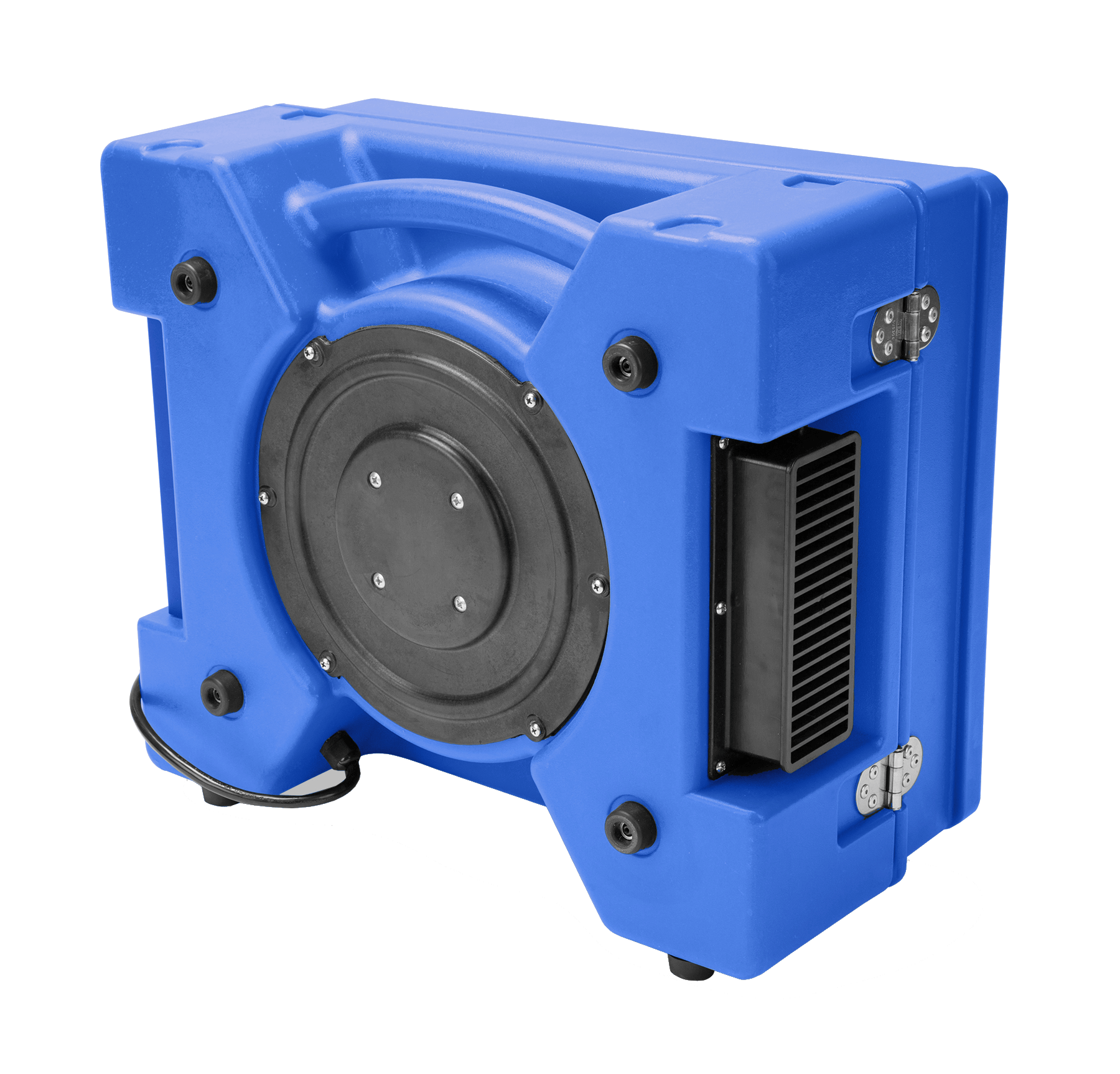 Air Scrubber
Professional Air Filtration
Air Scrubber
Professional Air Filtration
Remove Materials That Cannot Be Effectively Cleaned
Some crawl space materials may be too wet, contaminated, or damaged to remain. Removal also gives technicians better access to structural surfaces that need remediation.
Physically Remove Mold Contamination
Professional crawl space mold remediation should involve physically removing contamination from affected surfaces rather than simply spraying over visible growth.
The exact method depends on the materials involved, accessibility, and the severity of the contamination found during inspection.
Clean Crawl Space Surfaces
After visible contamination and loose debris are removed, accessible surfaces can be cleaned as appropriate for the conditions beneath the home.
Dry the Crawl Space
Cleaning mold while leaving structural materials excessively damp can recreate the conditions that allowed mold to develop in the first place.

Dehumidifiers
Professional dehumidifiers remove moisture from the air, helping reduce relative humidity and supporting the drying of structural materials.
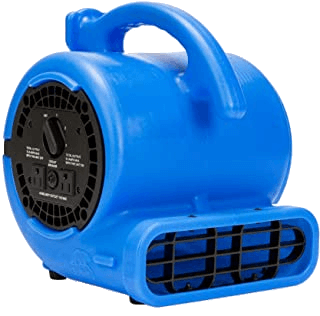
Air Movers
Air movers create high-volume airflow across damp materials, encouraging evaporation so dehumidification equipment can remove moisture from the environment.
Moisture Monitoring
Technicians may monitor moisture levels in wood and other materials during drying to determine whether conditions are improving.
Address Long-Term Moisture Control
A crawl space that returns to the same damp or humid conditions after remediation can eventually develop another mold problem.
Mold Solutions Home Services evaluates the conditions beneath the home so the long-term strategy can address the actual source of the moisture rather than relying on a one-size-fits-all solution.
Surface Treatment Is Only One Part
Why Simply Spraying Mold Is Not Enough
Mold remediation is not just a chemical treatment.
Spraying a product onto visible mold does not necessarily remove contamination, remove damaged materials, dry wet wood, or correct the conditions that allowed the mold to grow.
Treatments and antimicrobial products may have a place within a remediation protocol, but they should not replace physical cleaning and moisture correction.
Look Beyond What Is Visible
Crawl Space Mold Removal vs. Crawl Space Mold Remediation
The terms mold removal and mold remediation are often used interchangeably, but remediation describes the more complete process.
Focuses on What You Can See
Mold removal can sound like the job ends once visible mold disappears.
Addresses the Larger Problem
Crawl space mold remediation evaluates contamination, affected materials, moisture conditions, and what needs to change to reduce the likelihood of recurrence.
It is not realistic to remove every mold spore from a building because mold spores naturally exist in the environment. The goal is to remove unwanted active growth and contamination while correcting the conditions that allowed it to develop.
Evaluate Before Removing
Should Crawl Space Insulation Be Removed?
Not necessarily.
We evaluate the condition of the insulation rather than automatically removing every piece.
Two Problems That Often Overlap
Crawl Space Mold and Water Damage
Mold remediation and water damage restoration frequently overlap. A plumbing leak, flood, stormwater problem, or other water event can saturate crawl space materials, and those materials may stay damp even after standing water disappears.
Mold Solutions Home Services can address situations where moisture damage and mold contamination occur together.
Testing Is Based on the Situation
Crawl Space Mold Testing
Homeowners often assume mold testing has to happen before anything else. That is not always the case.
If there is clear visible mold growth and an obvious moisture problem, an inspection may provide enough information to begin developing an appropriate remediation plan.
Mold Solutions Home Services offers professional mold inspection and sampling services when additional information is useful.
- Mold is suspected but not readily visible
- The source of an odor is unclear
- Additional documentation is needed
- Multiple areas may be affected
- An inspector determines sampling would provide useful information
Know What to Expect
Mold Inspection Pricing
Mold Solutions Home Services offers several free estimates along with residential, commercial, apartment, and air sampling inspection services.
Residential Mold Inspection
Commercial Mold Inspection
Mold Inspection
Air Sampling
Contact us for current pricing, project requirements, and inspection availability.
Request an InspectionTraining and Professional Standards
Certified Crawl Space Mold Remediation
Mold Solutions Home Services maintains professional mold inspection and remediation certifications and follows established remediation practices for crawl space mold projects.
What Is Running Beneath Your Home?
Equipment You May See During Crawl Space Mold Remediation
Homeowners often want to know what the equipment beneath their home is doing. The exact setup depends on the moisture, contamination, and drying conditions found during the project.
Air Scrubbers
Air scrubbers use filtration to help remove airborne particles during mold remediation and cleaning.
Dehumidifiers
Dehumidifiers remove moisture from humid air and help create a drier environment for structural and building materials.
Air Movers
Air movers circulate large volumes of air across damp materials to encourage evaporation and support the drying process.
Our technicians select equipment based on the conditions they find, including the amount of moisture present, materials affected, remediation work being performed, and drying requirements.
Avoid Solving Only Half the Problem
Common Crawl Space Mold Remediation Mistakes
Crawl space mold can return when remediation focuses only on visible growth and ignores the moisture, damaged materials, or environmental conditions that allowed it to develop.
Cleaning Mold Without Fixing the Moisture Problem
If the crawl space remains wet or humid, the conditions that produced the original mold problem remain.
Treating Wet Wood
Wood should be allowed to dry appropriately. Cleaning a surface while moisture conditions remain uncontrolled does not solve the underlying problem.
Assuming More Ventilation Will Fix Humidity
In Georgia's humid climate, introducing additional outdoor air can sometimes increase crawl space moisture rather than reduce it.
Relying Only on Mold Spray
Sprays and treatments cannot repair a plumbing leak, dry structural materials, or remove wet and contaminated insulation.
Fogging Without Physical Cleaning
Fogging may distribute a treatment, but it does not physically remove contaminated material from affected surfaces.
Covering Mold With a Coating
A coating should not be used simply to conceal active contamination that has not been properly addressed.
Encapsulating Before Addressing Existing Mold
Crawl space encapsulation can be an effective long-term moisture-control strategy, but existing contamination should be evaluated and remediated before the crawl space is sealed.
Effective remediation needs to address contamination, damp materials, and the moisture conditions that allowed the mold to grow.
After Remediation
How to Prevent Crawl Space Mold From Coming Back
Successful remediation should include a plan for maintaining a drier crawl space.
A crawl space can look perfectly clean immediately after remediation and still develop another mold problem if the conditions that created excess moisture are ignored.
Know When the Problem Needs Professional Attention
When to Call a Crawl Space Mold Remediation Company
A professional evaluation can help when the contamination is extensive, the moisture source is difficult to identify, or the crawl space requires specialized remediation procedures.
Based in Dallas, Georgia
Our Crawl Space Mold Remediation Service Area
Mold Solutions Home Services provides mold removal and crawl space mold remediation throughout Cobb County, Paulding County, Douglas County, Bartow County, and surrounding Atlanta Metro communities.
Paulding County
- Dallas
- Hiram
- New Georgia
- New Hope
- Surrounding Paulding County communities
Cobb County
- Powder Springs
- Marietta
- Kennesaw
- Surrounding Cobb County communities
Douglas County
- Douglasville
- Winston
- Villa Rica
- Mirror Lake
- Surrounding Douglas County communities
Bartow County
- Cartersville
- Adairsville
- Surrounding Bartow County communities
When a Claim Is Involved
Crawl Space Mold Remediation and Insurance Claims
Some crawl space mold problems develop after a sudden water-loss event.
When an insurance claim is involved, clear communication and documentation matter. Mold Solutions Home Services can work with you, your insurance carrier, and your adjuster to help coordinate communication throughout the restoration process.
Coverage varies by policy, cause of loss, and individual circumstances. Your insurance carrier ultimately determines what your policy covers.
Our role is to clearly document the work, communicate the scope, and help keep the remediation and restoration process moving.
Common Questions
Frequently Asked Questions About Crawl Space Mold Remediation
What causes mold in a crawl space?
Why is crawl space mold so common in Georgia?
Can mold grow without a plumbing leak?
Can HVAC ductwork cause crawl space moisture?
Does crawl space mold need to be removed?
Can mold be removed from floor joists?
Does HEPA vacuuming remove mold?
Does fogging remove crawl space mold?
Can you just spray mold in a crawl space?
Do you need to remove crawl space insulation?
Should mold be removed before crawl space encapsulation?
Will a dehumidifier prevent crawl space mold?
How long does crawl space mold remediation take?
Is mold testing always required?
Will homeowners insurance pay for crawl space mold remediation?
Get Help With Crawl Space Mold
The Job Does Not End When the Visible Mold Disappears.
You also need to understand why the mold grew in the first place.
Mold Solutions Home Services helps homeowners throughout Cobb County, Paulding County, and surrounding counties identify mold problems, determine the extent of contamination, remove affected materials when necessary, clean the crawl space, dry damp materials, and address the moisture conditions contributing to the problem.
-
01
Call for immediate help. Tell us what you are seeing or smelling beneath your home.
-
02
For qualifying emergency mold problems, a site inspection may be available in 45 minutes or less, subject to availability and location.
-
03
Our technicians inspect the affected area and identify the scope of work.
-
04
You receive an estimate based on the conditions found.
-
05
Upon approval, we handle the project from start to finish and provide a scope of work.
-
06
When an insurance claim is involved, we communicate with you, your carrier, and your adjuster.
-
07
We complete the remediation, drying, cleanup, and restoration work required for your project.
-
08
You get back to enjoying your home.
Dallas, GA 30157