

Mold Removal Company
Serving Cobb, Paulding and Surrounding Counties
Mold Solutions Home Services provides professional mold removal and mold remediation throughout Cobb County, Paulding County, Douglas County, Bartow County, and surrounding Metro Atlanta communities.
We identify why mold is growing, determine how far the problem extends, contain affected areas, remove contaminated materials, and address the moisture conditions contributing to the problem.
- Residential and commercial mold removal
- Inspection, containment and remediation
- Emergency inspection may be available in 45 minutes or less
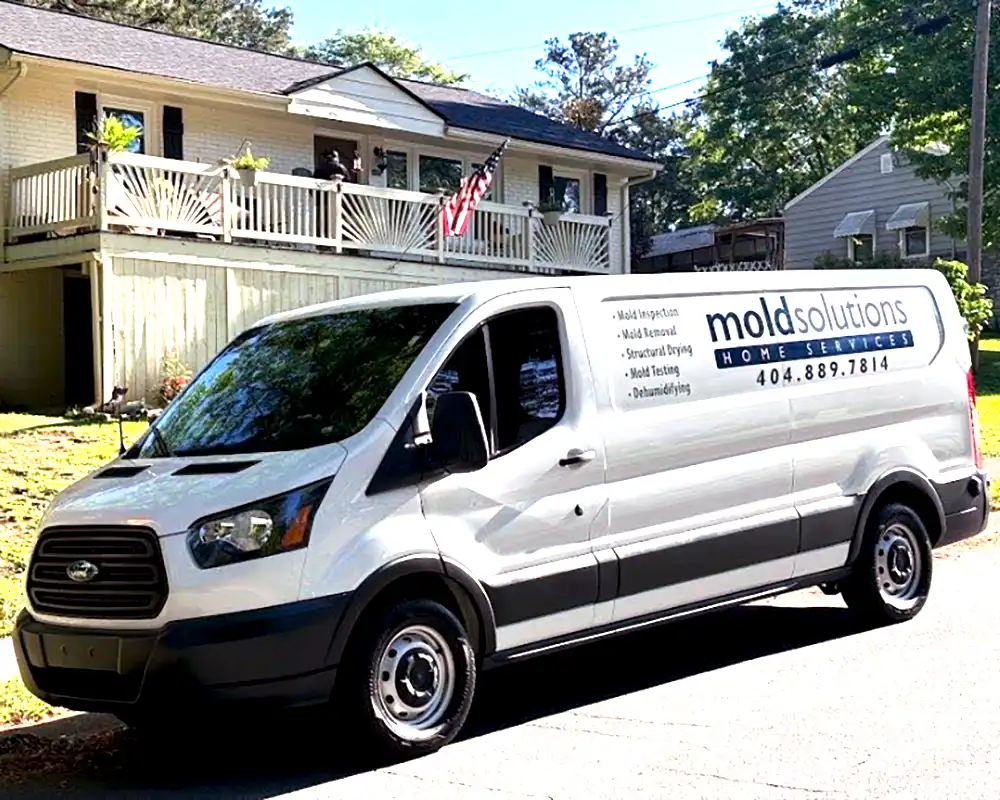
Look Beyond the Visible Mold
Professional Mold Removal and Remediation
Mold removal is rarely as simple as wiping down a visible patch on a wall. What you can see may only be part of the problem.
Mold commonly develops after leaks, flooding, plumbing failures, roof damage, excessive humidity, and other moisture problems. Growth may extend behind drywall, beneath flooring, inside cabinets, around HVAC components, or into other concealed areas.
That is why professional mold remediation begins by understanding the entire environment, not just treating the surface.
Know When to Investigate
Signs You May Need a Mold Removal Company
Some mold problems are obvious. Others remain hidden until an odor, water problem, recurring stain, or damaged material draws attention to them.
Mold Needs Moisture
Common Causes of Mold Growth
When water or humidity remains in building materials long enough, mold can begin developing on many common surfaces. The source may be sudden and obvious, or it may develop slowly over time.
Water Damage
Burst pipes, overflowing appliances, flooding, and other water losses can leave moisture inside walls, floors, cabinets, insulation, and structural materials.
Plumbing Leaks
Leaks behind sinks, toilets, showers, walls, and appliances can provide a steady moisture source without producing an obvious flood.
Roof Leaks
Roof damage can introduce water into attics, ceilings, insulation, and wall cavities where mold may develop out of sight.
High Humidity
Georgia's humid climate can create favorable mold conditions, particularly in enclosed areas with limited ventilation.
Flooding and Sewage Damage
Floodwater and sewage backups can affect porous building materials while also creating moisture conditions that support mold growth.
Start With the Conditions
Mold Inspection
Professional mold remediation begins with understanding what is actually happening inside the property.
Our certified inspectors look for visible mold along with evidence of current or previous moisture. The goal is to determine where the problem exists, what may be contributing to it, and what areas require further investigation.
Testing When It Adds Useful Information
Do You Need Mold Testing?
Not every mold problem requires laboratory testing. When visible mold and the affected area are already clear, remediation may sometimes proceed based on the inspection and documented scope.
Testing May Not Be Necessary
If mold is visible and the extent of affected materials can be determined through inspection, laboratory testing may not add meaningful information to the remediation scope.
Testing May Be Useful
Sampling can provide additional information when mold is suspected but not clearly visible, or when more detail about indoor conditions is needed.
A Structured Approach
Our Mold Remediation Process
Every property is different. The exact plan depends on the location of the mold, extent of contamination, materials involved, and source of moisture, but professional remediation generally follows a defined sequence.
Call for Help
Call 404-889-7814 to speak with Mold Solutions Home Services. For emergency mold situations, a site inspection may be available in 45 minutes or less.
Inspect the Property
Our technicians evaluate affected areas, look for signs of mold and moisture, and identify the likely extent of the problem.
Determine the Scope of Work
Once the inspection is complete, we determine what work is required and provide an estimate outlining the proposed remediation scope.
Establish Containment
When necessary, affected areas are isolated from unaffected portions of the property. Containment helps limit the movement of dust, debris, and airborne particles while remediation is underway.
Filter the Air
Professional air filtration equipment may be used during remediation to help capture airborne particles. HEPA-filtered air scrubbers can be particularly useful inside contained work areas.
Remove Mold-Damaged Materials
Some porous materials cannot be effectively restored once mold growth has become established. Materials that can be appropriately cleaned may remain in place and receive remediation treatment.
Clean the Affected Area
Remaining surfaces are thoroughly cleaned as part of the remediation process. The specific method depends on the material, extent of contamination, and conditions found during inspection.
Dry the Structure
Removing mold without addressing excess moisture leaves the underlying problem unresolved. Drying equipment may be used to reduce moisture in the air and affected building materials.
Address the Moisture Source
A successful remediation project should identify the conditions contributing to mold growth so corrective action can be taken where appropriate.
Restore the Affected Area
Once remediation and drying are complete, damaged areas can be prepared for repair. Mold Solutions Home Services can manage the project from initial inspection through cleanup and restoration.
Control the Work Area
Mold Containment Helps Protect Unaffected Areas
Mold remediation can disturb contaminated materials and release particles into the surrounding environment. Professional containment creates a controlled work area.
The specific containment methods depend on the location, size, and conditions of the project. The goal is to perform remediation without unnecessarily spreading contamination into unaffected portions of the home or business.
- Mold removal
- Material handling
- Air filtration
- Separated from work
- Controlled access
- Reduced particle movement
Methods Vary by Project
Containment Procedures May Include
Professional Restoration Equipment
Equipment Used During Mold Remediation
Different projects require different combinations of equipment. During mold, water, or sewage cleanup, several types of professional filtration and drying equipment may be used together as part of a controlled remediation plan.
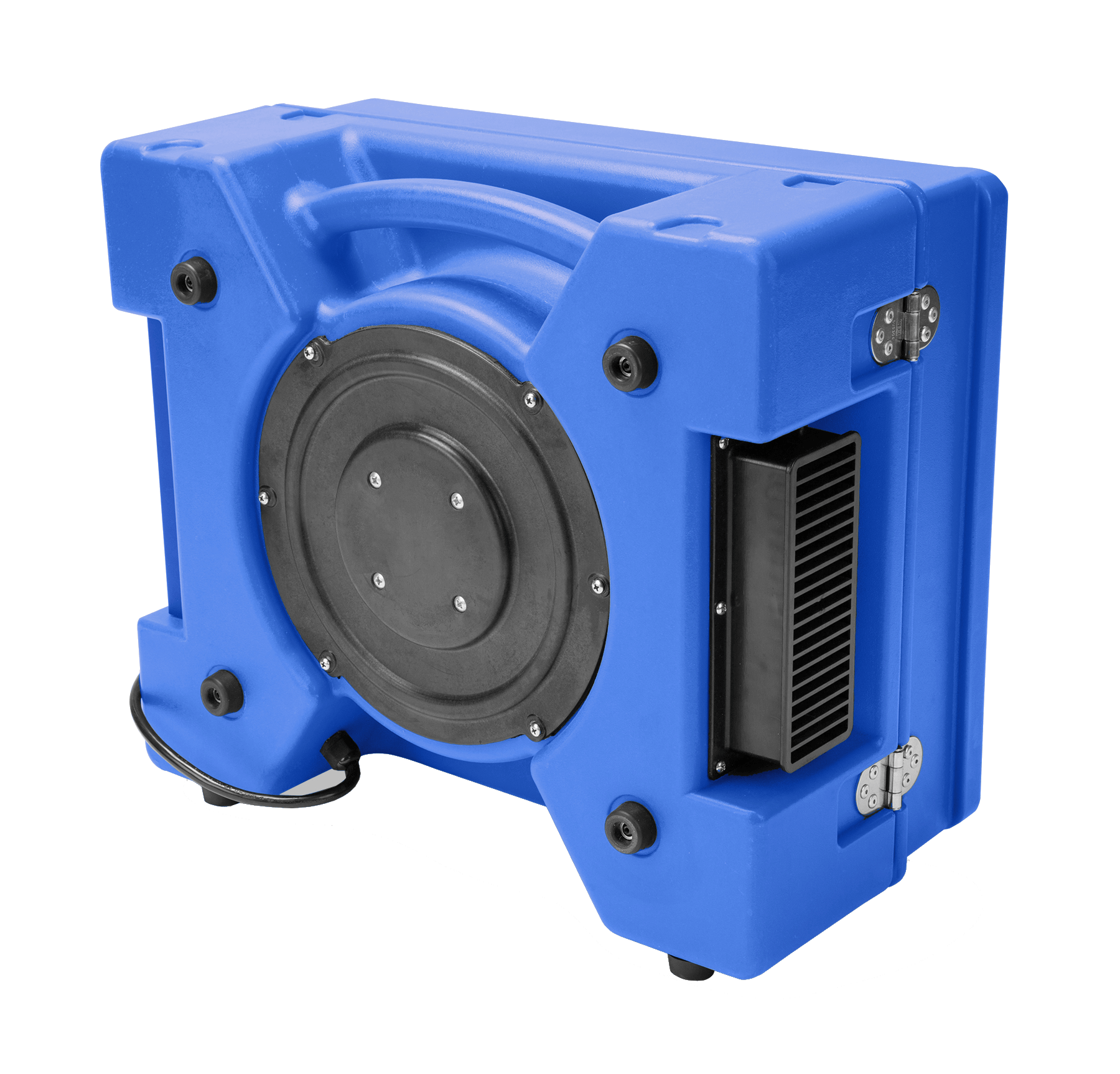
Air Scrubbers
Air scrubbers are portable filtration systems designed to move air through specialized filters, including HEPA filtration when appropriate.
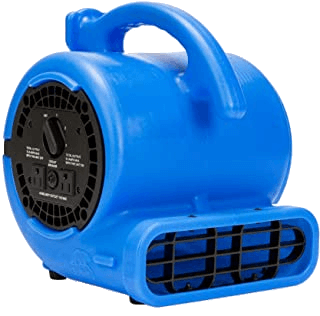
Air Movers
Air movers generate high volumes of airflow across wet materials and surfaces. When conditions are appropriate, this airflow can accelerate evaporation and support structural drying.

Dehumidifiers
Dehumidifiers remove moisture from the surrounding air. Humid air passes through the equipment, where water vapor condenses and is collected or discharged.
Containment + Filtration + Drying
A Controlled Remediation Environment
Containment and restoration equipment serve different purposes, but they work together during remediation. The work area is controlled, airborne particles can be filtered, and excess moisture can be addressed as affected materials are cleaned, removed, and dried.
Homes and Residential Properties
Residential Mold Removal
Mold in a home can affect more than the room where it becomes visible.
Moisture can move through building materials, allowing mold to develop in concealed areas that may not be obvious during a quick visual check.
Commercial Properties
Commercial Mold Remediation
Offices, retail spaces, apartment properties, warehouses, and other commercial buildings can present different mold remediation challenges than residential properties.
Water Damage Can Become a Mold Problem
Mold Removal After Water Damage
A water loss may look resolved once the standing water is gone, but moisture can remain inside building materials.
If those materials stay wet, mold can become a secondary problem. That is why professional water damage restoration involves more than water extraction.
Support During the Claim Process
Mold Removal and Your Insurance Claim
Property damage can become more complicated when an insurance claim is involved. Mold Solutions Home Services works with homeowners, carriers, and adjusters to help maintain clear communication while the project moves forward.
Training and Professional Standards
Certified Mold Professionals
Mold remediation requires an understanding of building materials, moisture, containment, cleaning procedures, and indoor environmental conditions.
Every Property Is Different
How Much Does Mold Removal Cost?
There is no single price for mold remediation because the scope can vary considerably from one property to another.
The amount of work required depends on where the mold is located, how much material is affected, what caused the moisture problem, and what is required to safely complete remediation and restoration.
We inspect the conditions, determine the proposed scope, and provide an estimate based on the work your property actually requires.
Inspection and Estimate Pricing
Mold Inspection and Testing Pricing
We provide several no-cost estimates along with straightforward pricing for residential, commercial, apartment, and air sampling inspections.
Mold inspection for properties up to 3,000 sq. ft.
Mold inspection for properties up to 2,000 sq. ft.
Mold inspection for an individual apartment unit.
Professional air sampling when testing is appropriate.
Metro Atlanta Mold Removal
Mold Removal Company Serving Cobb, Paulding and Surrounding Counties
Mold Solutions Home Services provides mold inspection, mold removal, and mold remediation from our home base in Dallas, Georgia to communities throughout the surrounding Metro Atlanta area.
Mold Removal in Cobb County
- Marietta
- Powder Springs
- Kennesaw
- Surrounding communities
From visible mold to unexplained moisture or recent water damage, we can inspect the property and help determine the next steps.
Mold Removal in Paulding County
- Dallas
- Hiram
- New Georgia
- New Hope
Being based in Dallas allows us to serve homeowners and businesses throughout Paulding County when mold or water damage requires professional attention.
Additional Service Area
- Douglasville
- Winston
- Villa Rica Area
- Mirror Lake Area
Additional Service Area
- Cartersville
- Adairsville
- Surrounding communities
More Than Surface Cleaning
Why Choose Mold Solutions Home Services?
Choosing a mold removal company should come down to more than who can spray or clean a visible area. You need a company capable of understanding the complete problem.
Certified Mold Inspection
Our certified inspectors evaluate the property and help determine the extent of mold and moisture concerns.
Professional Mold Remediation
We follow established remediation procedures and applicable IICRC S520 mold remediation protocols.
Water Damage Experience
Our experience with water extraction and structural drying helps us address moisture conditions associated with mold growth.
Professional Equipment
Air scrubbers, air movers, dehumidifiers, and other restoration equipment are used as appropriate for the project.
Insurance Coordination
We work with property owners, insurance carriers, and adjusters to help keep communication clear during the claim process.
Inspection Through Restoration
Upon approval, we can manage the project from the initial scope of work through remediation, cleanup, drying, and restoration.
Mold Removal Questions
Frequently Asked Questions About Mold Removal
What is the difference between mold removal and mold remediation?
Mold removal refers to physically removing mold growth or contaminated materials. Mold remediation is the broader process and may include inspection, moisture detection, containment, air filtration, removal, cleaning, drying, moisture correction, and restoration.
The objective is not simply to make visible mold disappear. It is to address the conditions associated with the overall mold problem.
Can I remove mold myself?
Very small areas may sometimes be manageable without professional remediation, depending on the material involved and the source of moisture.
Larger areas, recurring mold, hidden growth, significant water damage, or projects requiring demolition are better evaluated by a professional mold removal company.
Does mold always need to be tested?
No. If mold is clearly visible and the extent of the problem is understood, testing may not provide information that changes the remediation plan.
Sampling can be useful when mold is suspected but not visible, when additional documentation is needed, or when an inspector determines testing may provide useful information.
Can mold grow inside walls?
Yes. Mold can develop inside wall cavities when moisture enters through plumbing leaks, roof leaks, exterior water intrusion, condensation, or previous water damage.
Musty odors, staining, or a history of water damage may provide the first indication of concealed growth.
Why does the moisture source matter?
Mold is closely associated with moisture. Removing contaminated materials without correcting a continuing leak, humidity problem, or other moisture source can allow conditions favorable to mold to develop again.
What is mold containment?
Containment separates the remediation work area from unaffected portions of the property. Physical barriers, controlled airflow, filtration, and work procedures can help reduce the movement of contaminated dust and particles during remediation.
What is an air scrubber?
An air scrubber is a portable filtration machine that moves air through filters designed to capture airborne particles. HEPA-filtered air scrubbers are commonly used during professional mold remediation.
Why are dehumidifiers used?
Dehumidifiers reduce moisture in the air and help damp building materials continue drying. Lowering excess moisture is important because mold requires moisture to grow.
How long does mold remediation take?
The time required depends on the size and complexity of the project. A small, accessible area may require considerably less time than contamination involving multiple rooms, walls, flooring, crawl spaces, or other concealed areas.
An inspection allows us to define the scope before remediation begins.
Will mold come back after remediation?
Professional remediation removes identified contamination and addresses conditions discovered during the project, but no reputable company should promise that mold can never appear again.
A new leak, flood, humidity problem, or other future moisture source can create new conditions for mold growth. That is why moisture control remains important after remediation.
Does homeowners insurance cover mold removal?
Sometimes. Coverage depends on the individual policy and the event that caused the mold or water damage.
Mold Solutions Home Services can work with your carrier and adjuster during the claim, but your insurance company determines coverage.
One Company for the Entire Problem
Call a Mold Removal Company That Handles More Than the Visible Mold
Finding mold can leave you with questions about where it started, how far it has spread, what needs to be removed, whether hidden moisture is involved, and who will repair the property afterward.
Mold Solutions Home Services can help you move from inspection through remediation, drying, cleanup, and restoration.
For emergency mold problems, a site inspection may be available in 45 minutes or less.
Request an Inspection