

Basement Mold Removal
Find the Moisture. Remove the Mold. Help Keep It From Coming Back.
Mold Solutions Home Services provides professional basement mold removal for homeowners and businesses throughout Cobb County, Paulding County, and surrounding Metro Atlanta communities.
We identify the extent of the mold problem, investigate moisture from leaks, foundation seepage, flooding, condensation, or humidity, and develop a remediation plan based on the conditions in your basement.
- Basement mold inspection and removal
- Moisture-source evaluation
- Emergency inspection may be available in 45 minutes or less
Moisture Is Usually the Starting Point
Why Mold Grows in Basements
Basements naturally face more moisture challenges than many other areas of a home.
Part or all of the basement may sit below grade, putting walls and floors in regular contact with moisture in the surrounding soil. Georgia's humid climate can add even more moisture to the equation.
Not Every Mold Problem Is Visible
Signs You May Have Mold in Your Basement
A mold colony may grow behind a finished wall or underneath flooring long before anything appears on an exposed surface. Changes in moisture, odors, finishes, and stored materials can all provide clues.
The Visible Spot May Be Only Part of the Problem
Basement Mold Can Be Hidden Behind Walls and Floors
What you see on the surface does not always show the full extent of a basement mold problem.
Moisture can migrate through porous materials and into areas that are difficult to inspect without professional equipment.
Address the Problem, Not Just the Stain
Why Basement Mold Shouldn't Be Ignored
Mold requires moisture to continue growing. If damp conditions remain, a small mold problem can become more extensive.
Mold can affect drywall, insulation, flooring, framing, furniture, boxes, and other materials commonly found in basements. Moisture can also contribute to deterioration of building materials even apart from mold growth.
Air moves between areas of a building, which is one reason containment and air filtration can be important during remediation.
A Remediation Plan Based on Actual Conditions
Our Basement Mold Removal Process
Every basement is different. The remediation plan depends on the extent of mold growth, affected materials, moisture conditions, property use, and other factors identified during inspection.
Mold Inspection
Confirming whether remediation is necessary begins with a professional mold inspection. Our certified mold inspectors look for visible mold, evidence of recent or ongoing moisture, and areas that may require further investigation.
Mold Sampling and Testing When Appropriate
Not every mold remediation project requires laboratory testing. When testing is appropriate, samples collected by our certified mold inspectors are sent to PRO-LAB in Weston, Florida for analysis.
Testing can provide additional information about the types and concentrations of mold, mildew, and other microorganisms detected in the samples.
Determine the Scope of Work
Once we understand the conditions in your basement, our technicians identify the work needed to address the affected areas.
Establish Containment
Mold remediation can disturb mold spores and other particles. Appropriate containment helps separate the remediation area from unaffected portions of the property.
Mold Cleaning, Removal and Remediation
The remediation process may include cleaning salvageable structural materials and removing contaminated porous materials that cannot be appropriately restored.
Air Filtration and Moisture Control
Professional equipment helps control the remediation environment and address moisture remaining in affected materials.
Final Walkthrough
From the initial inspection through the final walkthrough, we keep you informed about the work being performed and the conditions discovered in your basement.
Professional Drying and Filtration
Equipment Used During Basement Mold Removal
The equipment required depends on the size and conditions of the project. A basement mold remediation project may use several types of professional drying and filtration equipment to help control moisture and airborne particles.
Air Movers
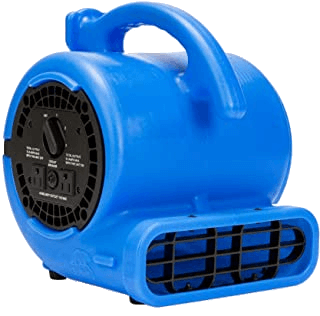
Air movers create high-volume airflow across damp materials. This movement helps moisture evaporate so the drying process can proceed more efficiently.

Dehumidifiers
Dehumidifiers remove moisture from the surrounding air. Warm, moisture-filled air passes across refrigerated coils, causing water vapor to condense so it can be collected and removed.
Air Scrubbers
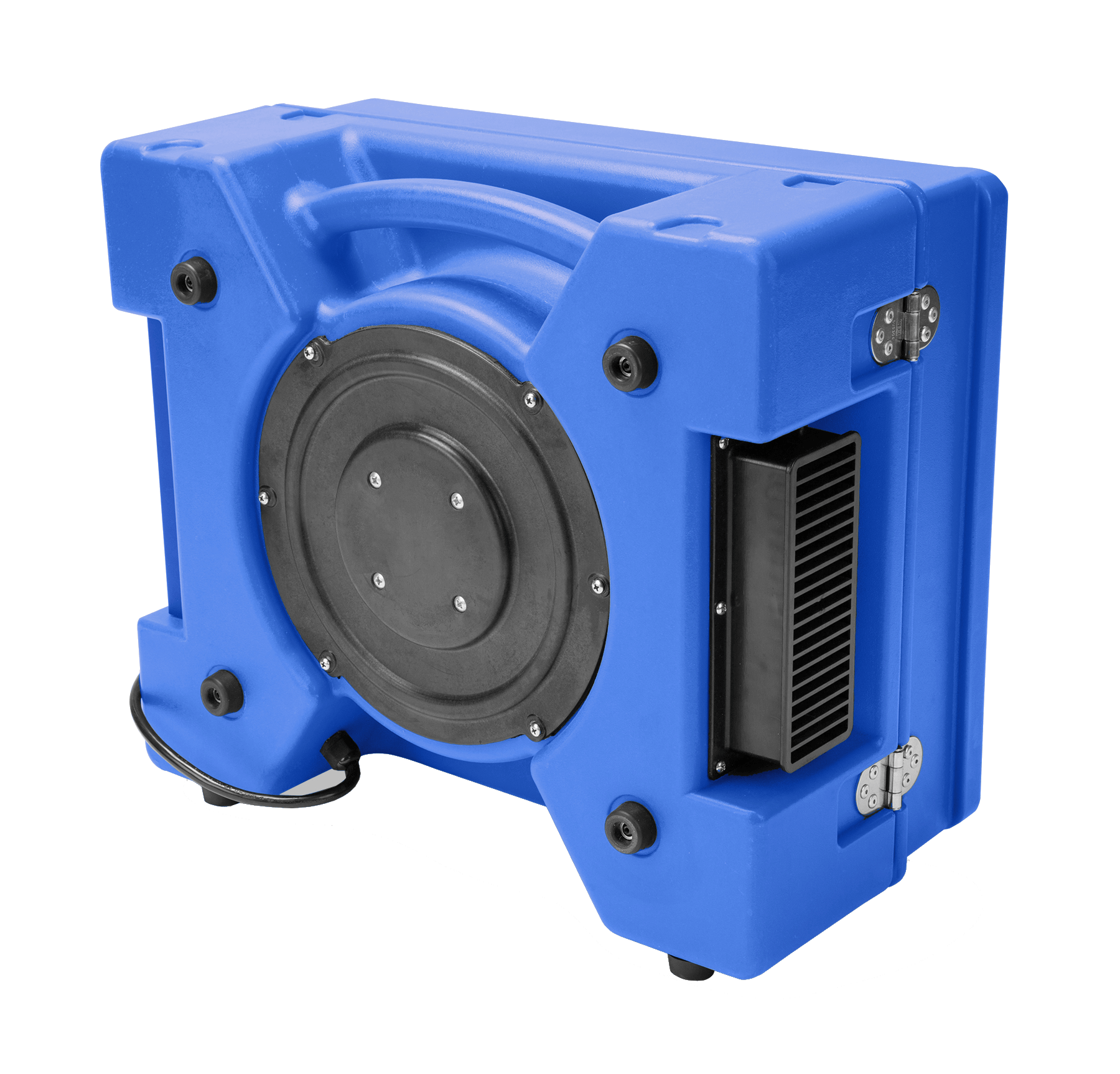
Air scrubbers provide portable air filtration during mold remediation. They help remove airborne particles from the work environment while remediation is underway.
Mold Is Only Part of the Problem
Correcting the Moisture Problem Behind Basement Mold
Successful basement mold remediation is not just about removing mold. The moisture supporting the growth also needs to be identified.
Once the source has been identified, appropriate corrective action can help reduce the conditions that allowed mold to develop in the first place.
When Mold Follows a Water Loss
Basement Mold After Water Damage or Flooding
Basement mold frequently begins with a water damage event. A burst pipe, foundation leak, stormwater intrusion, sewage backup, or other water problem can saturate drywall, insulation, flooring, framing, and other building materials.
Dry on the Surface Does Not Always Mean Dry Inside
Drywall may appear dry while insulation or framing behind it remains damp. Flooring can also trap moisture against the concrete slab or subfloor.
Different Basements Require Different Investigation
Finished and Unfinished Basement Mold Removal
Finished and unfinished basements can both develop significant mold problems, but the way affected areas are accessed and evaluated can be very different.
Finished Basement Mold Removal
Finished basements can make mold problems harder to identify because walls, floors, insulation, plumbing, and other structural surfaces may be concealed behind finished materials.
Unfinished Basement Mold Removal
An unfinished basement usually provides easier access to structural components, but exposed framing, insulation, mechanical areas, and stored belongings can still develop extensive mold growth.
Residential and Commercial Service
Basement Mold Removal for Homes and Businesses
Mold Solutions Home Services provides basement mold removal for residential and commercial properties throughout the Metro Atlanta area.
Whether the problem involves a finished basement, rental property, commercial building, storage area, or another property type, we develop the remediation scope around the actual conditions found during inspection.
Moisture Control Matters Long Term
Helping Prevent Basement Mold From Returning
Long-term mold control starts with moisture control. Cleaning affected surfaces while allowing a basement to remain chronically damp can set the stage for the problem to return.
Communication During a Claim
Working With Your Insurance Company
When an insurance claim is involved, Mold Solutions Home Services works with you, your insurance carrier, and your adjuster to maintain communication and help keep the project moving.
We establish the scope of work and keep the parties involved informed about the remediation project.
Based in Dallas, Georgia
Basement Mold Removal in Cobb County and Paulding County
Mold Solutions Home Services provides basement mold removal throughout Cobb County, Paulding County, and surrounding Metro Atlanta communities.
Cobb County
Marietta, Powder Springs, Kennesaw and surrounding communities.
Paulding County
Dallas, Hiram, New Georgia, New Hope and surrounding communities.
Douglas County
Douglasville, Winston, Villa Rica, Mirror Lake and surrounding communities.
Bartow County
Cartersville, Adairsville and surrounding communities.
Know When to Investigate
When to Call a Basement Mold Removal Company
Consider scheduling a professional mold inspection when moisture, odors, visible growth, or a history of water damage suggests the problem may extend beyond what you can see.
Common Questions
Basement Mold Removal FAQs
What causes mold in basements?
Basement mold generally develops when moisture remains available long enough to support growth. Common sources include high humidity, foundation seepage, plumbing leaks, flooding, condensation, and materials that were not completely dried after water damage.
How do I know if there is mold behind my basement walls?
Musty odors, water stains, damp drywall, peeling paint, previous flooding, and recurring moisture can indicate a hidden problem. A professional inspection can help identify areas that require further investigation.
Can basement mold come back after remediation?
Mold can return if the moisture conditions that supported the original growth continue. Correcting leaks, seepage, excessive humidity, condensation, or other moisture sources is an important part of reducing recurrence.
Does moldy basement drywall need to be removed?
It depends on the extent of contamination and the condition of the material. Porous materials that cannot be appropriately cleaned may need to be removed as part of the remediation scope.
Can mold be removed from basement floor joists?
Depending on their condition, structural wood components may be cleaned as part of professional remediation rather than automatically removed. The proper approach depends on the extent of growth, moisture conditions, and condition of the material.
Do I need mold testing before basement mold removal?
Not necessarily. A professional inspection comes first. Based on the visible conditions, property history, and circumstances, the inspector can determine whether sampling and laboratory analysis would provide useful additional information.
Can a dehumidifier help prevent basement mold?
A dehumidifier can help control excessive basement humidity, but it does not repair plumbing leaks, foundation seepage, drainage problems, or other active water sources. Effective prevention requires addressing the actual source of moisture.
Does homeowners insurance cover basement mold removal?
Coverage depends on your policy and what caused the mold or water damage. Mold Solutions Home Services can communicate with you and your adjuster during remediation, but your insurance carrier determines coverage.
Professional Basement Mold Remediation
Get Help With Basement Mold Removal
If your basement smells musty, shows visible mold, has experienced water damage, or simply never seems to stay dry, do not limit your attention to what you can see.
Mold Solutions Home Services can inspect the property, identify the scope of the problem, develop an estimate, and perform the necessary mold cleaning, removal, and remediation upon your approval.
For emergency mold problems, a site inspection may be available in 45 minutes or less.